
Why Most People Fail: The Hidden Power of Strategic Planning
Nov 21, 2025Why Most People Fail: The Hidden Power of Strategic Planning
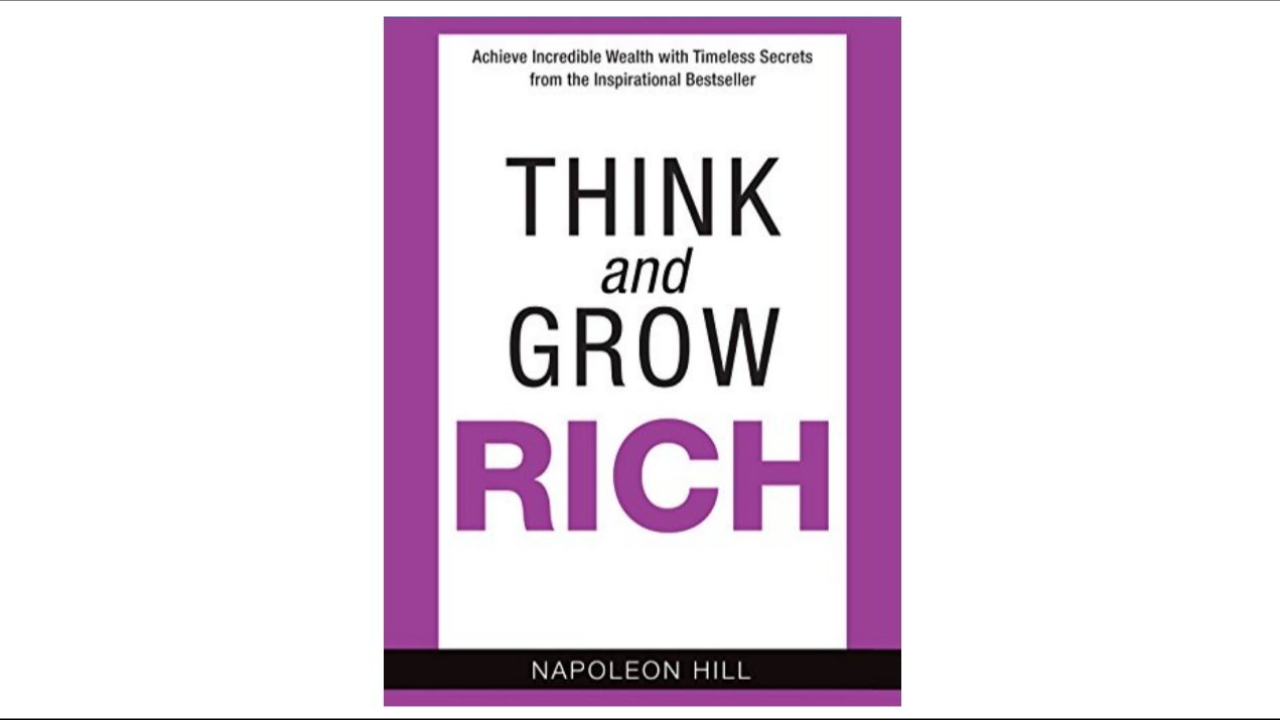
In Think and Grow Rich, Napoleon Hill shares a truth that many people overlook: most failures have nothing to do with talent, intelligence, or ambition. The real cause, far more common and far more devastating, is poor planning. People don’t fail because their goals are impossible. They fail because their plans are unclear, incomplete, unrealistic, or abandoned too quickly.
Hill puts it with bold clarity: “The man who wins is the man who thinks he can.” “If the first plan which you adopt does not work successfully, replace it with a new plan… and so on until you find a plan which does work.”
Failure is rarely about the size of the goal; it’s about the strength of the plan behind it.
Why Strong Planning Is the Key to Achieving What You Want
- Planning Prevents Random, Ineffective Action: Without a clear plan, you bounce from one idea to the next. You follow trends, chase shiny objects, and stay busy but not productive. A strong plan gives structure. It ensures that every task moves you closer to your goal. Example: Instead of “hoping” clients find you, your plan might look like: Week 1–2: Build a lead magnet. Week 3–4: Launch a simple email funnel. Week 5+: Host sales calls. This kind of structured path eliminates guesswork and creates consistent momentum.
- A Plan Shows You What’s Working (and What’s Not): You can’t improve what you don’t measure. When your actions are organized, you gain data. Example: If your plan includes 20 outreach messages per week and you land one client, you now have a baseline. From there, you can adjust your offer, your pitch, your audience, and or your delivery. Measurement leads to refinement. Refinement leads to breakthroughs. Without a plan, you’re only guessing, and guessing is not a success strategy.
- Good Planning Builds Confidence and Reduces Fear: People procrastinate primarily because they don’t know what to do next. A strong plan removes that uncertainty. When you know your next step fear decreases, confidence increases, action becomes easier, and momentum builds. This psychological shift is often what makes the biggest difference.
- Plans Can Be Improved; Dreams Can’t: A dream like “I want to earn more” is too vague to fix. But a plan? A plan can be tested, adjusted, and optimized. Hill emphasizes that you should never abandon a goal simply because the first plan fails. You refine the plan, not the dream. This is how strategic thinkers win.
- Planning Turns You Into a Strategic Achiever, Not a Wishful Thinker: Most people think they have goals but in reality, they only have wishes. Wishers hope success happens someday. Planners map out how many clients, at what price, through which offer, using which daily actions. This shift, from hoping to strategizing, is the difference between talking about success and actually achieving it.
A Real-Life Example of Planning in Action
Let’s say your goal is: “I will earn $10,000/month by December 2026.”
- Without a plan: You try social media one week, cold emails the next. You don’t track anything. When something doesn’t work, you quit.
- With a well-structured plan: You break the goal into actionable pieces (e.g., 5 clients × $2,000). You map out how to find those clients. You track your numbers weekly. You refine what isn’t working. Within months, you’re closing consistent deals and building financial momentum.
The difference is not talent, it’s planning.
Action Steps for This Week
- Design a Step-by-Step Roadmap: Break your goal into specific, measurable targets.
- Reverse Engineer Your Steps: Start with your end goal and map it backward into actionable tasks.
- Set Clear Milestones and Metrics: Define your monthly, weekly, and daily markers of success.
- Review and Refine Weekly: Hold a “planning audit” every week to adjust and improve your strategy.
Most people don’t fail because they’re incapable, they fail because they never design a plan strong enough to get them where they want to go. If you commit to strategic planning, treat each failed plan as a prototype to improve, and refuse to quit, your goals stop being a question of if and become a matter of when.
What If You Could Start Creating More Financial Momentum in Just 7 Days?
Reading about financial success can give you ideas. Taking action is what begins to create change.
That's why I created the FREE Money Momentum Starter Guide Workbook—a practical starting point for anyone who wants to make greater financial progress by managing their money more intentionally, exploring opportunities to create additional income, and developing habits that keep them moving forward.
Inside the FREE Starter Guide, you'll discover:
- Where you are financially today and where you'd like to make progress
- Opportunities to take greater control of the money already flowing through your life
- Skills, knowledge, and experience you may be able to turn into additional income
- Practical actions you can begin taking right away
- How to create your own 7-Day Money Momentum Action Plan
You don't need to have everything figured out. You don't need a perfect financial plan or a great business idea. You simply need a starting point and a willingness to take the next step.
Want Some Help Working Through It?
You can complete the Money Momentum Starter Guide entirely on your own for free, or for a one-time $5 upgrade, get 30 days of access to your own Money Momentum AI Assistant to help you work through the workbook.
Your AI Assistant can help you think through questions, explore possibilities when you're unsure what to write, dig deeper into your answers, and turn what you discover into practical next steps and your personalized 7-Day Money Momentum Action Plan.
Start Building Your Money Momentum Today. Download your FREE Money Momentum Starter Guide Workbook and take your first step toward greater financial progress.
